History of the Museum of Hanko
A brief history of the Museum of Hanko
The Museum of Hanko was founded in 1909 and has operated in several different locations throughout its history.
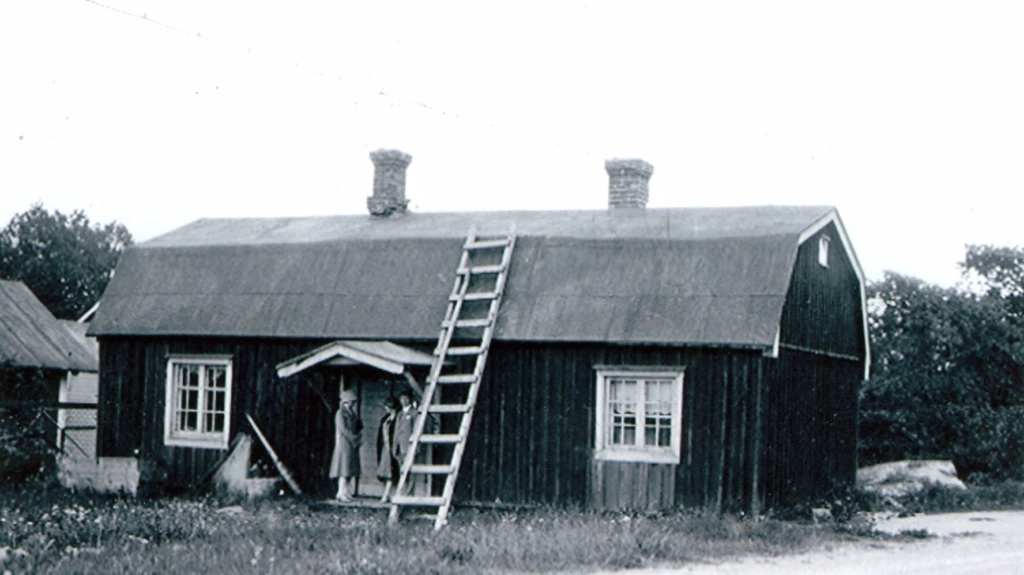
Hanko Museum’s first space Fohlin’s Cottage
In May 1907, the town bought Fohlin’s Cottage, which was located on Högbergsgatan, for 532 marks, or about 2,300 euros in today’s money. This was the only building within the town limits of Hanko that had been preserved when the fortress area was burned down during the Crimean War in the 1850s. Otto Fohlin and his wife Kajsa Söderlund lived in the cottage at the time. Kajsa was alone at home when the English came to burn down Hanko and she had begged for her house to be preserved; which was also done.
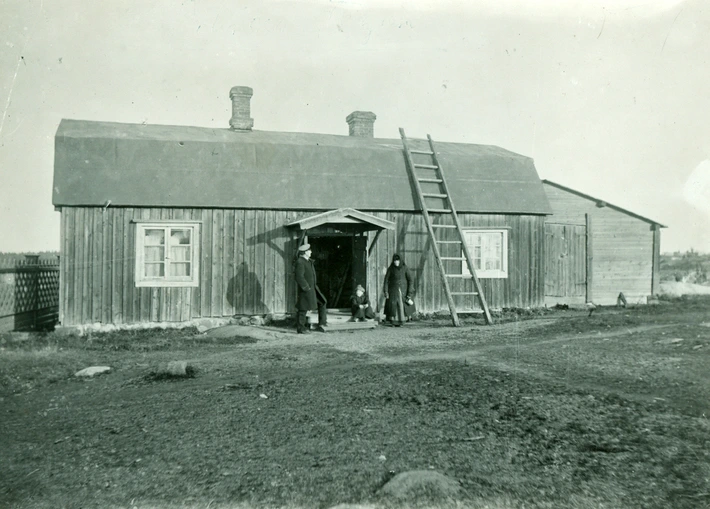
60 years later, the house was considered a shambles, but the town’s oldest building was considered good as a museum building. The house was for sale when Kajsa Söderlund had died. Conrad Appelgren, Jeja Roos and H. Lindberg were tasked with considering what to do with the building.
It took almost a year for the work to be done, perhaps partly because the founding of the local history society was completed in November. The working group proposed that a suitable society, primarily the Friends of Local History Research in Hanko, should receive 800 marks to renovate the interior and an annual grant. The latter proposal was not approved, but Hanko now had its own museum, where all the museum’s objects were exhibited. These were continuously expanded.
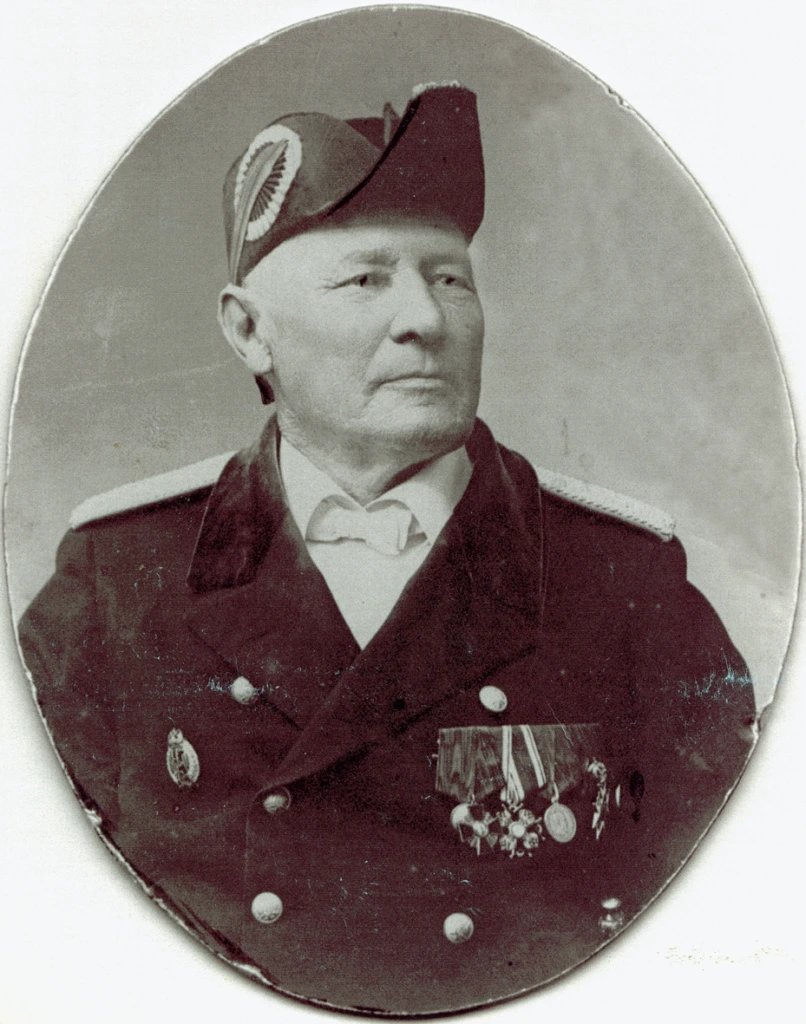
During the First World War, the society’s activities were interrupted and it was not until 1923 that the society’s meetings were held again. At that time, Conrad Appelgren’s daughter Ajna Appelgren began as chairman and she served as chairman for almost 20 years.
It was planned to move the building to Badhusparken, so that the museum would be more accessible to bathhouse guests, but this idea was abandoned as it was considered too expensive. The Fohlinska cottage was in poor condition, but there was no money for renovation. As far as possible, repairs were made so that it would be suitable for museum objects. To prevent the cabin from becoming too humid, a stove was installed.
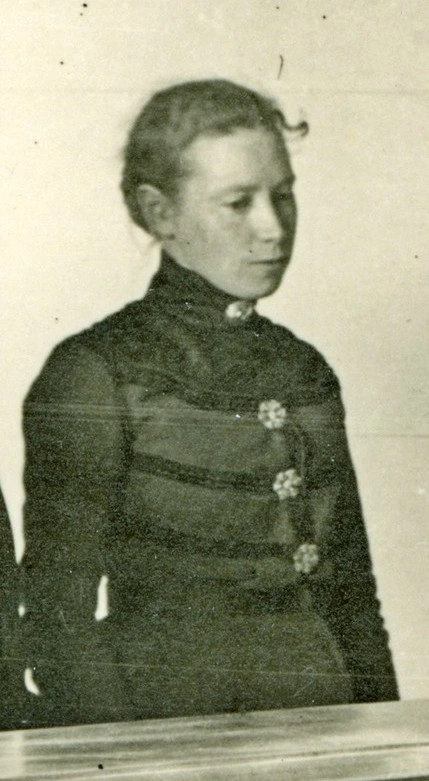
of the local history society of Hanko
in the 1920s and 1930s.
No final decision was made on the museum building, although plans were made to move it to other premises. In March 1940, the entire city of Hanko was evacuated, including the museum’s collections.
The museum gets new premises in the town hall
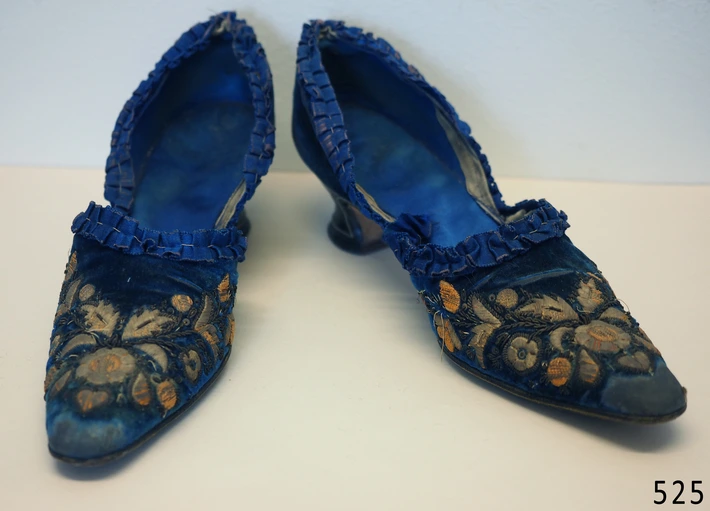
The association asked the city to give it Westergård as a local history and archipelago museum, but that when the city was rebuilt, suitable premises for the museum would be taken into account. In the spring of 1946, the objects arrived at Westergård. Birger Boström catalogued the objects with his son. There were 565 objects. During the evacuation, 116 objects had disappeared. Boström tried to get new objects for the museum, but it was not so easy. Only his mother-in-law, Princess Elisabeth zu Sayn-Wittgenstein-Berleburg, donated a pair of Parisian-style morning shoes.
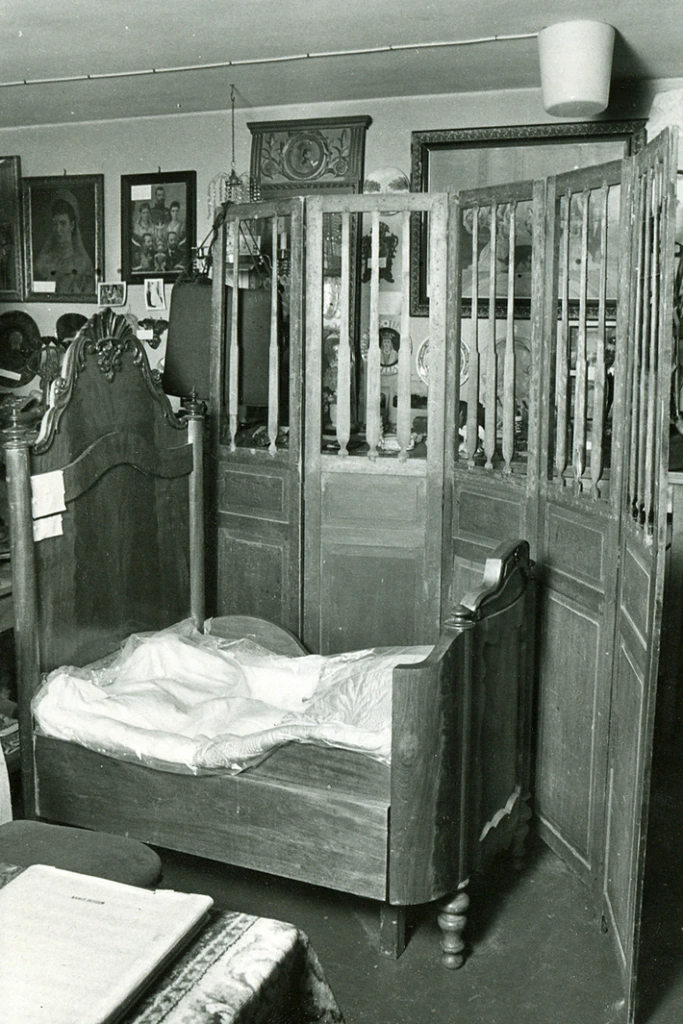
It was never intended that Westergård would become a permanent space, partly because of the location. A lecture hall had been planned for the city hall, but in practice it could not be used. Instead, the museum had to move there. The space was under the banquet hall and the entrance was via the police station yard. Nils Cleve, who was now on the archaeological commission, was very pleased with the new space. The only problem was that the museum had no storage, so all objects had to be on display, including duplicates. On Cleve’s advice, the objects were placed on tables, because they were cheaper than cabinets. These were also donated to the association by the public. The museum received no direct support from the municipality, except that the association did not pay rent for the space.
The association’s chairman Carl-Olof Westman, vice-chairman Yrjö Manner and secretary Birger Boström exhibited the objects thematically, and the museum was able to open in the spring of 1952. The museum was open for a couple of hours on Sundays, and it had a few hundred visitors annually. The principal of Hanko High School, Birger Boström, was the driving force and he officially became the museum’s curator in 1956, a task he held until 1972.
Over the years, the museum received many new donations, but the museum lacked a storeroom. Therefore, the local history association asked the city to take over the museum, which was also done in 1963. However, the museum did not receive any additional space, which made the museum’s operations more difficult.
New premises sought in the 1960s
The museum had good premises in the town hall, but there was no storage space. In the 1960s, consideration was given to premises from the Hyllis property and the then new police station. The next option was to build a new one on the plot next to the town hall, where the library would later be located. The most recent plans concerned a plot owned by the city on the corner of Strandgatan and Torggatan. The buildings that had been here since the 1890s were to be demolished because they did not want old buildings in a modern town. This was the mindset in the 1960s. Riitta Heinänen, secretary of the Museums Association, believed that the plot was in a central location, where visitors could easily get to it.
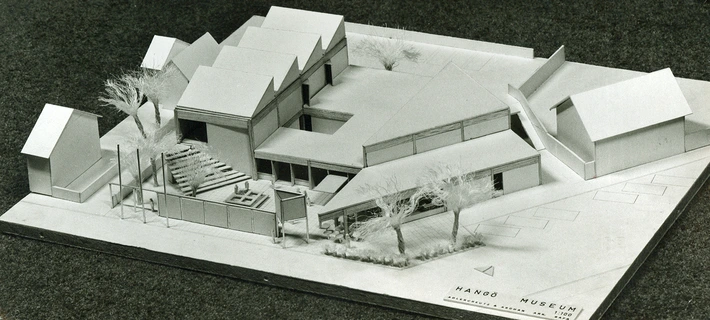
In 1968, the plans of architects Nils Aschans and Eric Adlercreutz were ready. They had planned a modern museum building with an exhibition hall, warehouse, gallery, entrance hall, assembly halls, café, work spaces and caretaker’s residence, and reserved parking spaces. The council approved the proposal with a clear vote of 26–1, but no money was ever reserved in the budget for the museum project and it eventually fell into oblivion. On the other hand, it is good that the museum was not guilty of demolishing old buildings.
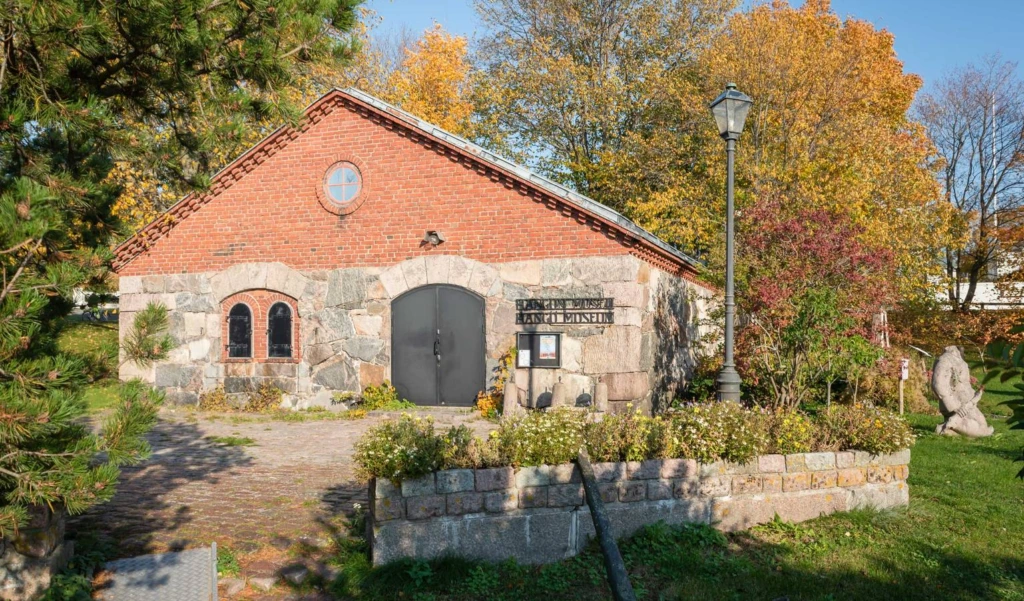
However, the following project was successful. Although the city did not grant funds for a new building, the museum received 32,000 FIM or approximately €47,000 in 1970 to repair an old stone warehouse in the Eastern Harbor. It was a barrack of ramparts defenders built in 1793 and partially destroyed by the Russians themselves during the Crimean War. The first city plan mentions the building as a church ruin, although it is not known whether there was a church there. However, the building was offered to Bromarv parish, to which Hanko also belonged, but according to them the house was too small. In 1882, railway engineer Evert Wasastjerna made drawings that correspond to the current building. The state bought the warehouse in 1885 and undeclared goods were stored there, during the Prohibition era, liquor canisters and in the 1950s, herring barrels.
When the museum got the building, wooden floors were laid on the ground floor and the roof was renewed. Objects related to war, shipping, firefighting, hunting and fishing, and peasant culture were brought here.
In 1982, a major change took place when the museum received the upper floor of Hangö Kex property as a warehouse. Almost all the museum’s objects were brought here. Short-term exhibitions could now begin in the museum premises. In 1991, the exhibition space in the town hall was closed and the museum’s archives were placed there. The warehouse at Kex had become so full over the past 40 years that it can no longer accommodate any more objects. That is why we were happy to get new space in the Leira collection warehouse.
Since 1970, the museum operated for over 50 years in a stone building from the 1790s in Hanko’s eastern harbor.
On June 13, 2024, the Flash exhibition opened in the museum’s new premises, in the factory facilities of Manner on Pitkäkatu.
In May 2025, the museum opened its permanent exhibition Where Land and Sea Meet, which tells the story of the history of Hanko Peninsula through the ages. The main themes of the exhibition are also the sea and industry, as well as beach and villa life.
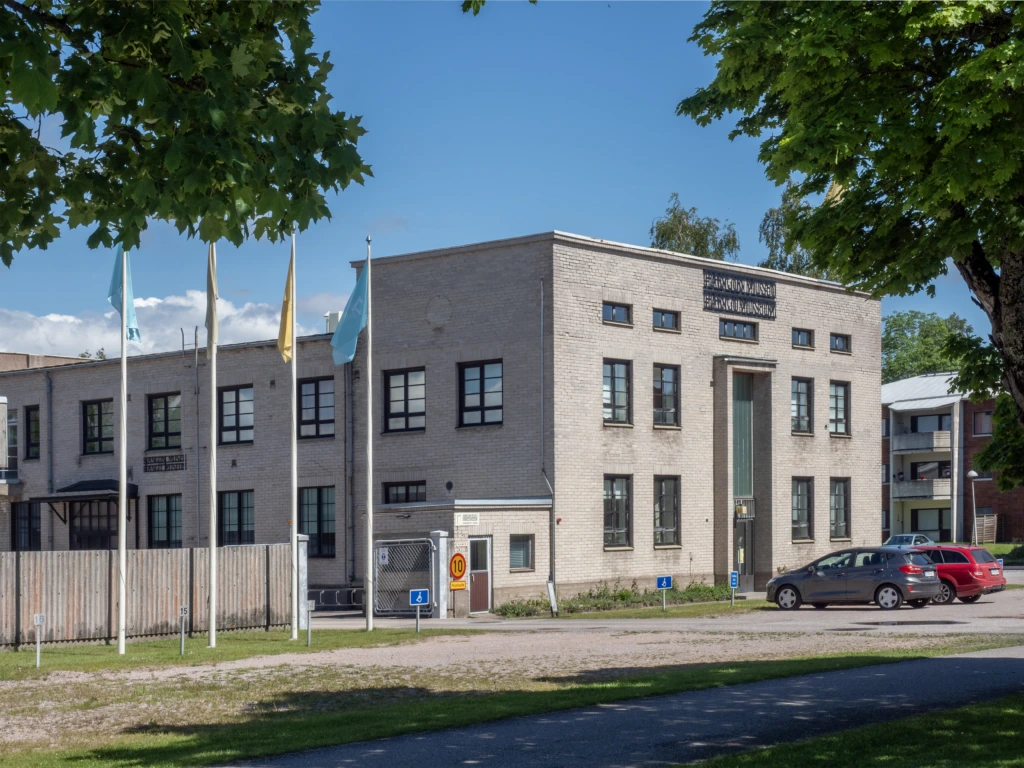
Photo: Arja Järvilehto.